
Smar Jbeil – The church of St Takla

Saint Takla Church - Smar Jbeil, Smar Jbeil, Lebanon

Other Details

كنيسة مارت تقلا

Smar Jbayl

Batroun

North

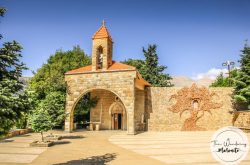
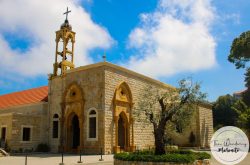
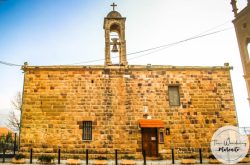
كنيسة مارت تقلا - سمار جبيلهي كنيسة صغيرة بجوار كنيسة مار نوهرا الرعائيّة، مؤلّفة من سوق واحد ينتهي بحنية. بحسب التقليد المحليّ يعود وجود كنيسة لتكريم مارت تقلا بالقرب من كنيسة مار نوهرا، لأنّ شقيقة القديس نوهرا كانت تدعى تقلا، وقد تبعت أخاها في تبشيره، واستشهدت مثل شفيعتها ثم دفنت هي ايضاً في سمار جبيل. إلا أنّه لا دلائل تاريخيّة حتى الآن تثبت هذه المقولة. الكنيسة تعود لأواخر القرن الثامن عشر.The church of St Thecla - Smar JbeilThe church is a small chapel near the parish church of St Nohra. It consists of a single aisle ending with an apse. According to local traditions the church is dedicated to the patroness of St Nohra’s sister also called Thecla and also a martyr, yet no historical records show that. The church dates back to the late XVIIIth century.

Visited 4551 times, 3 Visits today

Reviews are disabled, but trackbacks and pingbacks are open.

Related Listings

Ghosta – The Church of St. Elijah

جبل الرحمة الالهية, Ghosta, Lebanon

كنيسة مار الياس

Ghosta

Keserwan

Mount Lebanon

كنيسة مار الياس - غوسطا

سنة ١٦٨٠ بدأ الشيخ ابو قنصوه الخازن بناء دار في غوسطا تلاصقها كنيسة على اسم مار الياس وكُرّست سنة ١٦٨٩. البناء كناية عن عقدٍ مُصالب ينتهي بحنية نصف دائرية. رُسم فيها المطران يوسف راجي الخازن (البطريرك لاحقًا) مطرانًا على غوسطا سنة ١٧٢٨ على يد البطريرك يعقوب عوّاد، ودُفن فيها في ١٣ أيّار ١٧٤٢. رُمّمت الكنيسة مؤخرًا.

The Church of St. Elijah - Ghosta

It was constructed in 1680 by Sheikh Abou Qanso el Khazen, adjacent to his house. It was consecrated and dedicated to the prophet Elijah in 1689. The structure comprises a crossed vault with a semi-circular apse. Within this church, Bishop Youssef Raji el Khazen (later patriarch) was ordained as the bishop of Ghosta by Patriarch Yaaqoub Awad in 1728. He was subsequently buried in the same church on May 13, 1742. The church has recently undergone restoration.

Aqoura – St Simon the Stylite church

Saint Semaan, Aaqoura, Lebanon

كنيسة مار سمعان العاموديّ

Aaqoura

Jbeil

Mount Lebanon

كنيسة مار سمعان العاموديّ - العاقورة

في أعالي العاقورة طريق شقّها الفينيقيّون ورمّمها الرومان، بدليل كتابة لاتينيّة بقرب الكنيسة. ويفيد المؤرّخون أن دوميسيانوس قيصر الامبراطور الرومانيّ مرّ في بلدة العاقورة سنة ٨٢ بعد المسيح ووسّع الطريق شرقيّ البلدة، كما تشير الكتابة: IMP DOMITIANIA, S.V.T. حين نزح الموارنة في القرن السابع إلى البلدة، حوّلوا البناء الرومانيّ بقرب الشير إلى مزار لمار سمعان العاموديّ لتأثرهم بمار سمعان في سوريا. رُمّمت الكنيسة وأخذت شكلها الحاليّ بداية القرن العشرين.

St Simon the Stylite church - Aqoura

In the mountains east of Aqoura, the Phoenicians built a road that was enlarged by the Romans. Empror Domician passed by this road during his visit to Aqoura in 82 AD, and left a latin inscription near the church that says: IMP DOMITIANIA SVT. When the Maronites came to Aqoura in the VIIth century they converted the old roman building to a shrine church dedicated to St Simon the Stylite since they were influenced by the Stylites of Syria. The church took its final shape after restoration works in the early XXth century.

Kaftoun – Monastery of our Lady

Monastery of Our Lady of Kaftoun, Kaftoun, Lebanon

دير السيّدة - كفتون

1910

Kaftoun

Koura

North

عود تأسيس الدّير الى القرن السادس، كُتِب عنه في منشورات تعود الى القرن التاسع موجودة في مكتبة أوكسفورد. تمَّ بناؤه على عِدَّة مراحل أمّا ترميمه الأخير فيعود الى العام 1910. الوجهة الخلفية للدير ملاصقة لشيرٍ صخريٍّ ضخم، وكنيسته في قلب الشير.
كان الدير بدايةً ديرًا مارونيًّا سكنه المطران (البطريرك لاحقًا) إرميا الدملصاوي. بعد حملات المماليك تنسّك فيه الرهبان الأرثوذكس. كانت أوجّ الحياة الرهبانيّة فيه عام ١٩٠٤. وفي بداية السبعينات أضحى مهجوراً ونُهبت كافة الأيقونات والمخطوطات. تجدّدت الحياة الرهبانيّة في الدّير سنة ١٩٧٧. عام ١٩٩٧ أُعيدت إليه أيقونة سيّدة كفتون العجائبيّة. تكمن أهميّة هذه الأيقونة أنّها مرسومةٌ على الوجهتين: الأولى تعود الى القرن الحادي عشر وتُمثِّل العذراء مريم والسيّد المسيح، والثانية تعود الى القرن الثالث عشر وتُمثِّل معموديّة السيّد المسيح ومدوَّنٌ عليها باللغات الثلاث: السريانيّة والعربيّة واليونانيّة، شهادةً عريقةً للطقس السريانيّ الملكيّ. يضُمّ الدير آثارًا تاريخيّةً قديمة كأجران منحوتة بالصخر وآبار ومطحنة ومعصرة قديمة تعود للقرن السادس.

The monastery was founded in the VIth century and many documents from the IXth century attesting its existence are still present in the Library of Oxford. The building was done over time up until 1910. The monastery is built inside a rocky cliff, with the main church inside the cave. At first the monastery was served by the Maronites and was the seat of Bishop (later patriarch) Jeremiah of Dmalsa. After the Mamluk’s raids the ownership was taken by the Orthodox hermits. The monastic life saw its peak in 1904 yet it declined up to the seventies when the monastery was deserted and looted. The monastic life would be renewed in 1977. In 1997 the miraculous icon of Our Lady of Kaftoun was returned. The importance of that icon reside in its being a double sided icon: on the first side dating back to the XIth century is a depiction of the Theotokos, on the other one dating back to the XIIIth century is a Theophany with inscriptions in Arabic Greek and Syriac, a true witness to the Syriac Melkite Rite.